Do You Need a Life Shift or a Life Transition?
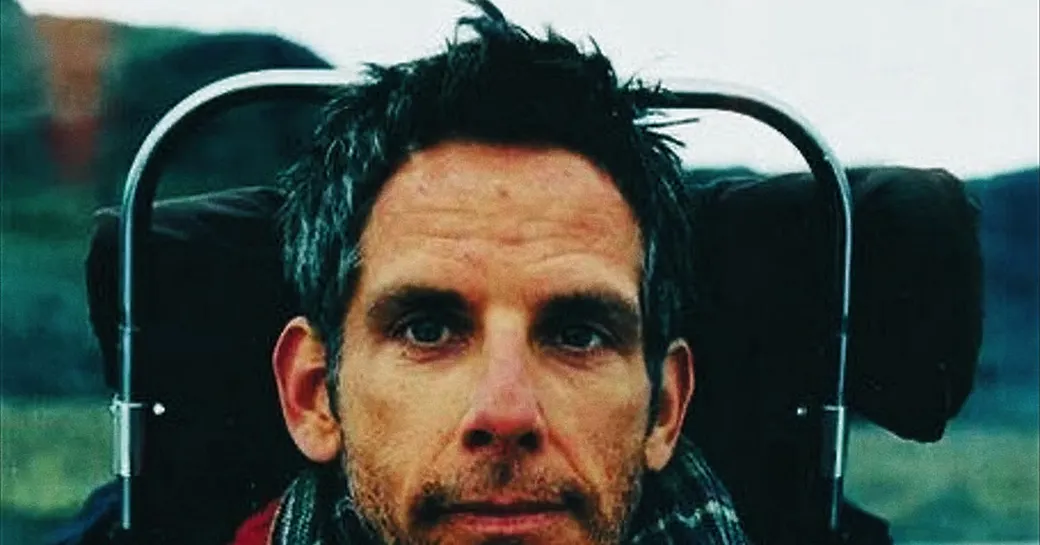
Have you ever watched The Secret Life of Walter Mitty?
t’s a film I’ve always loved. Walter works at a travel magazine, where his job is to manage and preserve photographic negatives. He’s around forty-five years old, and every day he dreams of another life. In many ways, he experiences the world through other people’s adventures rather than his own.
Yet every morning, he wakes up to the same routine.
What fascinates me isn’t just that he dreams of a different life, but how impossible that change seems to him. After years of standing still, the only alternative he can imagine is an extreme one: leaving everything behind to become an adventurer overnight.
And maybe that’s what many of us do when we reach a life crisis.
We think in opposites.
A secure 9-to-5 or complete freedom.
A corporate career or a life of travel.
Stability or adventure.
Because crises have a way of making extreme solutions look attractive because they promise certainty.
Burned out? I’ll stop working forever.
Heartbroken? I’ll move to Bali.
Disappointed with politics? Society swings toward one extreme or the other.
When life no longer fits, we often look for the opposite.
But the opposite isn’t always the answer.
The answer is often transition.
An overnight shift is dopamine. A transition is sustainable change management.
Let’s try to understand why.
1. Happiness begins by understanding that you are already enough, just as you are.
Have you ever read Stoicism? It’s one of the oldest schools of philosophy, and yet one of the most relevant today.
At its core, it’s a philosophy that tries to answer a simple question: How do we live a good life? One of the ideas I love most is that happiness isn’t about becoming someone else.
It’s about reducing the distance between who you are today and who you want to become.
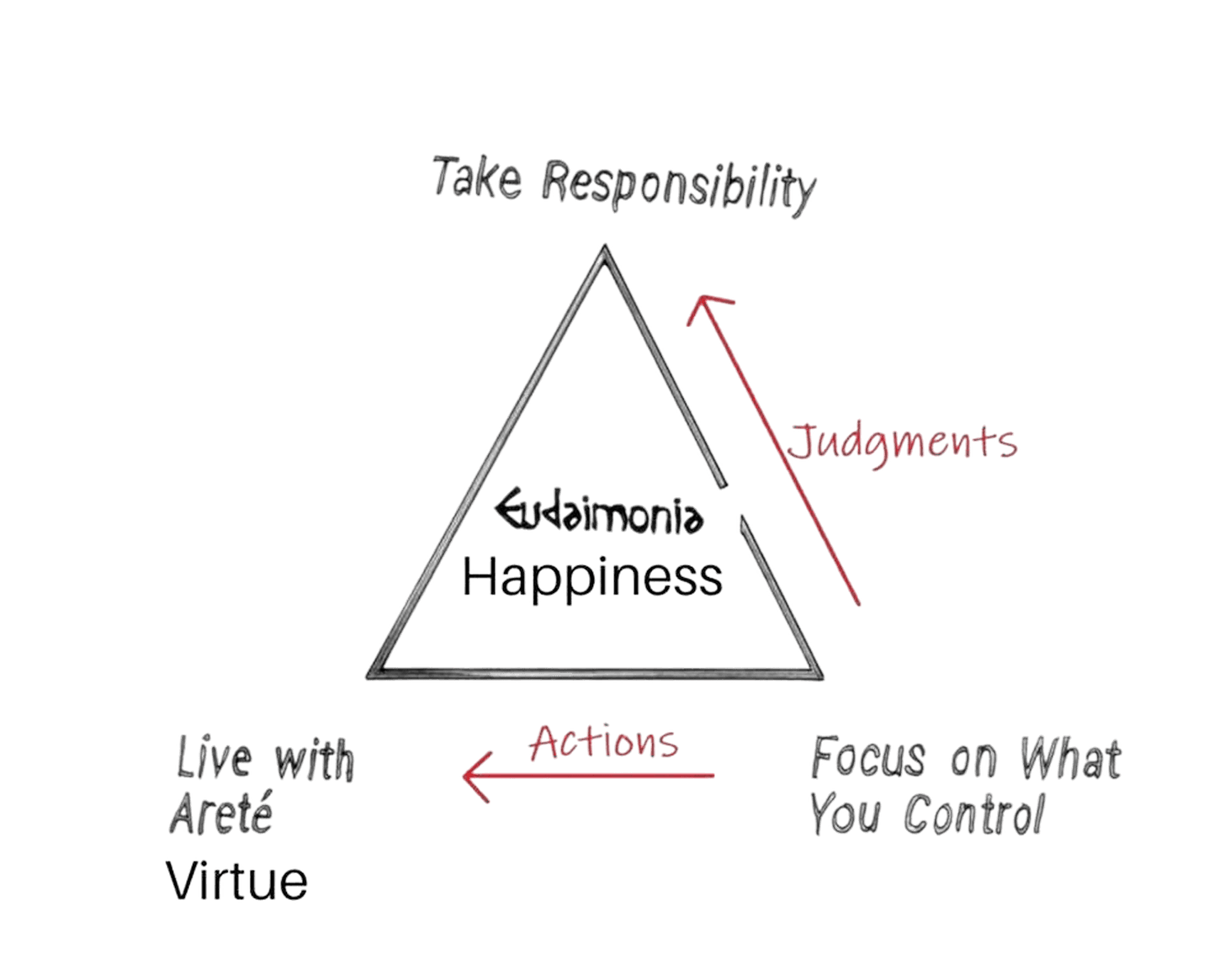
That gap creates tension.
After years of coaching entrepreneurs and observing people around me, I’ve become surprisingly sensitive to it.
I can often feel when someone is trying to live their new identity before they’ve actually grown into it.
I’ve done it myself.
Two years ago, I booked a professional photoshoot because I wanted to look like the successful coach I imagined. I bought the clothes, copied the poses, and tried to project confidence.
The suit almost wore me.
Looking back, it’s almost funny.
But I think that’s where “cringe” often comes from.
Not from trying something new, but from trying to perform an identity that hasn’t become yours yet.
Transition start with understanding that who you are today is already enough.
2. It doesn’t mean lowering your expectations, It means preparing the conditions.
Companies know something we often forget in our personal lives.
Change doesn’t happen because you announce it, it happens because you prepare the conditions for it.
That’s the whole purpose of change management. You don’t ask hundreds of people to work differently overnight. You communicate. You train. You build trust. You adapt systems. You create an environment where change becomes possible.
Why should our own lives work differently?
One thing I’ve noticed on social media is how often people try to reinvent everything at once: the job, the relationship, the city, the friends, the identity.
Then they wonder why they feel exhausted.
What started as professional burnout simply becomes life burnout,
because every change requires energy, and every part of your life starts competing for the same emotional resources.
Transition asks a different question: What conditions would make this future version of myself sustainable?
For me, those conditions have very little to do with a job title.
They look more like healthy relationships, financial stability, meaningful friendships, family roots, spirituality, time alone, and time with people.
It doesn’t mean lowering your expectations, it means building the foundations to reach what you envision.
3. You don’t know what you don’t know
Sometimes we dream about making a living doing what we love, only to discover that we don’t actually love doing it all day.
I absolutely love writing.
I write, I lose track of time. I flow. So one of the first services I sold as a freelancer was ghostwriting.
But then I discovered another truth: writing isolates me.
Would I be productive? Absolutely.
Would I be happy? Not really.
I’ve learned that I need conversations almost as much as I need solitude.
That discovery didn’t mean writing wasn’t for me.
It simply meant writing couldn’t be my whole life.
Today, writing complements my services, and now with this substack, my coaching.
Sometimes our first dream isn’t wrong. It’s simply incomplete.
Maybe there’s a way to combine all your facets into something more complex and fulfilling?
4. Start embarrassingly small
The biggest problem I see with thinking in terms of life shifts rather than life transitions is that we imagine change as climbing a mountain. Most of the time, that’s exactly what prevents us from taking action.
Personally, I believe every life shift starts with small experiments.
If you're tired of being emotionally dependent, go to dinner alone.
If you think you want a different career, write your first LinkedIn post or talk to someone who’s already doing that work.
If you want more meaningful friendships, start finding events about something that genuinely matters to you.
If you want to launch a media, post an Instagram story
If you dream of moving abroad, spend one winter somewhere else before relocating permanently.
Launch a newsletter.
Start a WhatsApp group.
Go to one event alone. Stay twenty minutes longer than feels comfortable.
Tiny experiments teach you far more than giant declarations ever will.
5. If you don’t want to get stuck in the transition, give yourself deadlines.
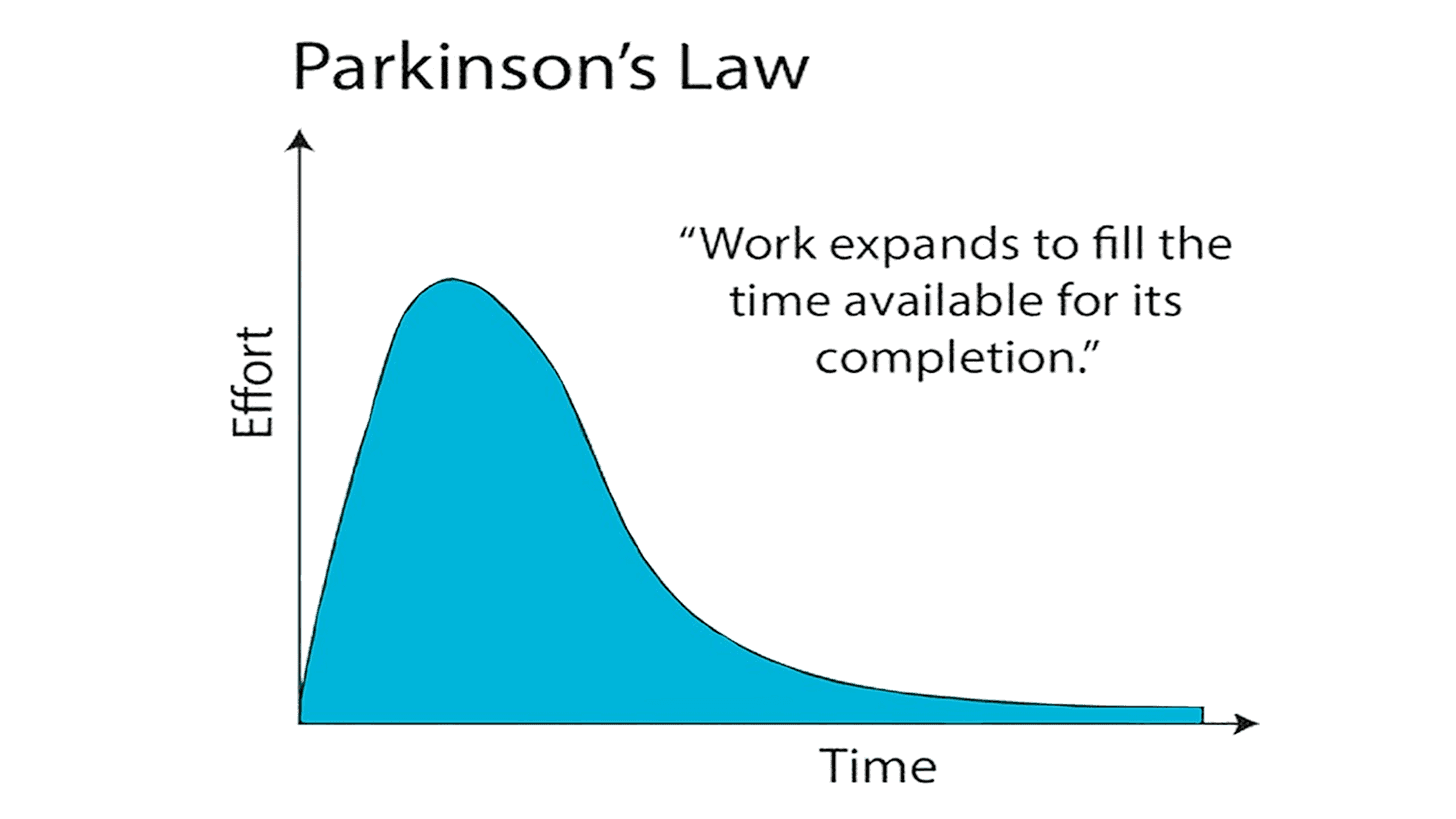
One thing I’ve learned from project management is that work expands to fill the time available. Dreams do exactly the same.
Without deadlines, transitions quietly become someday.
That’s Parkinson’s law: The more time you give yourself, the longer you’ll take to make the change.
Set deadlines. Set milestones. Set KPIs.
Ask yourself:
How much savings do I need before I quit?
How much experience do I want before I make the leap?
How many conversations, applications, or clients will tell me I’m ready?
Don't wait until you feel ready. Decide what "ready" looks like.
More often than not, you'll realize that good enough is better than perfect.
6. The proper shift is only the visible part
Looking back, I don’t think the biggest changes in my life happened on the days I made a decision.
They happened months—sometimes years—before. The visible shift was simply the consequence.
Leaving a client. Ending a relationship. Launching a business. Moving countries.
By then, the internal work had already been done.
The decision represented maybe five percent of the process.
The other ninety-five percent happened quietly through conversations, books, therapy, coaching, friendships, journaling, and small experiments.
Moments nobody applauded because nobody could see them.
Maybe that’s why I no longer believe in reinventing yourself overnight.
I believe in becoming yourself, slowly.
And one day, almost without noticing, the decision that once terrified you simply feels like the life you’re already living.